
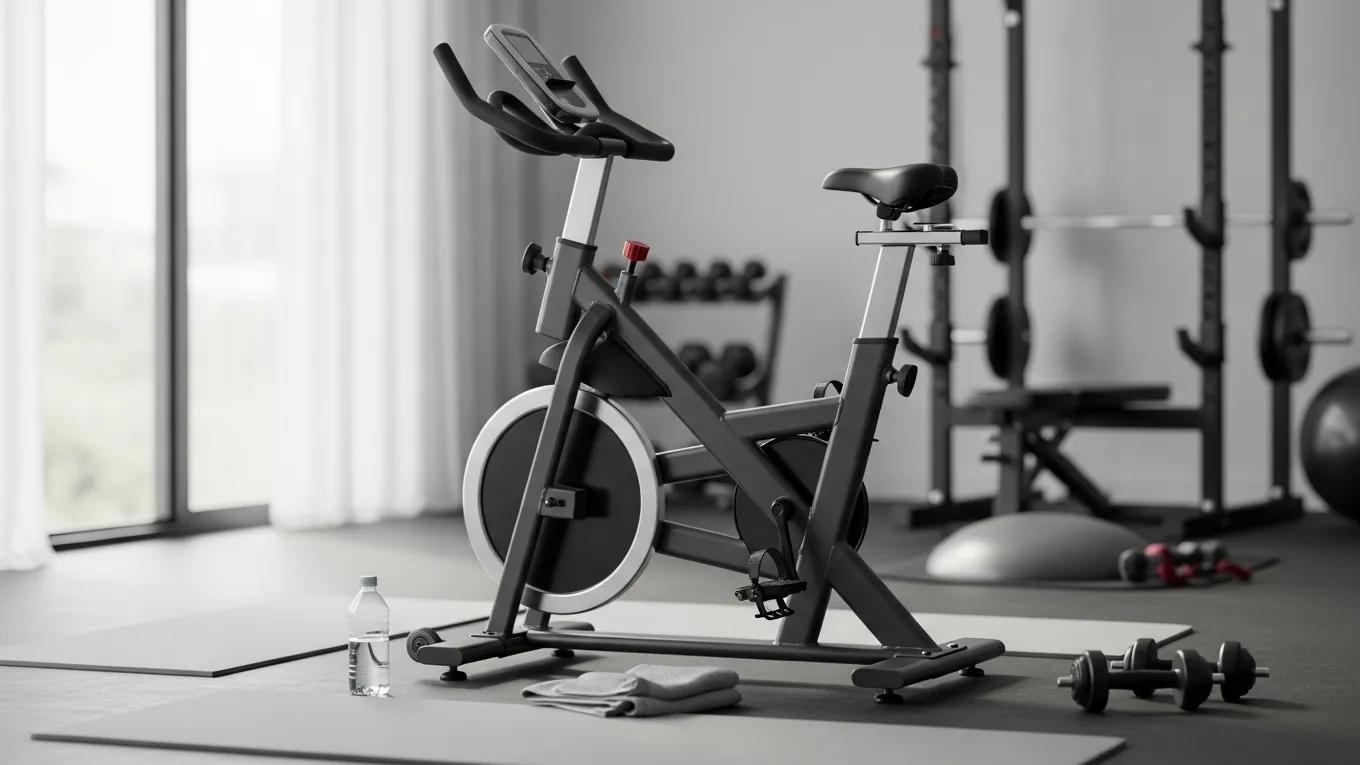
Exercise Bike Maintenance 101: Essential Cleaning, Lubrication, and Repair for Optimal Performance
By Eric Depaul, Fit Repair Pros
Maintaining an exercise bike is crucial for ensuring its longevity and optimal performance. Whether used casually at home or in a commercial gym environment, regular upkeep can enhance safety, functionality, and the overall workout experience. In this article, we will explore essential maintenance practices, focusing on cleaning techniques, lubrication methods, and necessary repair practices. By understanding how to properly care for your exercise bike, you can prevent damage, avoid costly repairs, and maintain a high-quality fitness routine.
During this guide, we will cover best practices for cleaning, proper lubrication methods, and common repair techniques. Our expertise will help both novice users and seasoned fitness enthusiasts establish an effective maintenance routine tailored to the specific needs of their exercise bikes. With routine checks and proper upkeep, users can enhance their exercise experience while prolonging the life of their machines.
Best Practices for Cleaning
Keeping your exercise bike clean is essential, as it directly impacts its performance and durability. Regular cleaning protects the components from dust and sweat, reducing wear and tear and ensuring a safe workout environment. This section outlines the various techniques and products you can use to effectively clean your bike.
What Are the Best Practices for Cleaning Exercise Bikes?
Effective exercise bike cleaning involves daily routines and more thorough weekly cleanings. For daily maintenance, users should wipe down the handlebars and seat after each session. A damp cloth can remove perspiration and dirt, ensuring that the frame remains in good condition. Weekly deep cleaning should include removing the pedals and cleaning hard-to-reach areas, which can accumulate grime.
How to Perform Step-by-Step Exercise Bike Cleaning
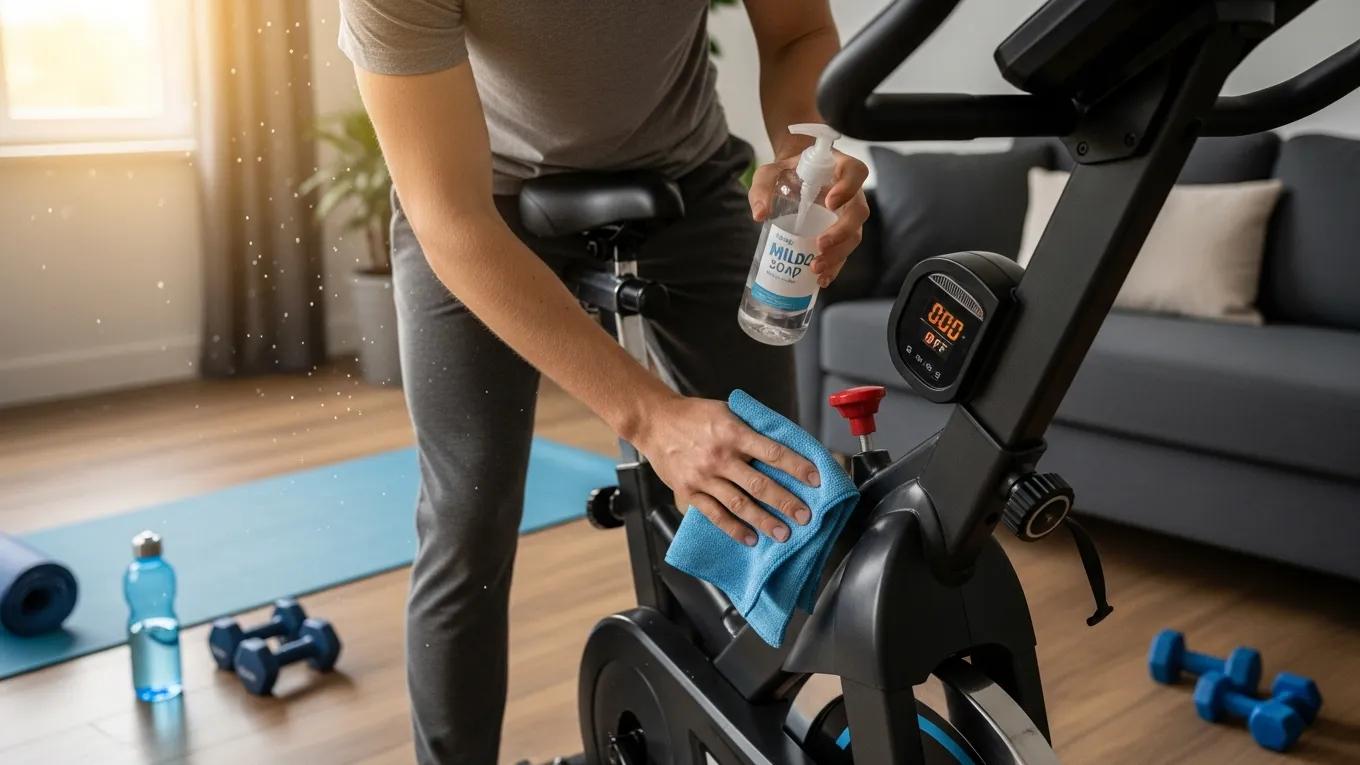
Follow these steps for a thorough exercise bike cleaning:
- Prepare Your Supplies: Gather a soft cloth, mild soap, and a brush with soft bristles.
- Dust Off: Wipe down the surfaces with a damp cloth to remove dust.
- Clean the Components: Use the soft brush to clean between the pedals and other components, ensuring no dirt is left behind.
- Rinse and Dry: If using soap, rinse with water and dry all parts thoroughly before using the bike again.
Which Cleaning Products and Tools Ensure Safe and Effective Maintenance?
Choosing the right cleaning products is vital. Here are some recommended items:
- Mild Soap: A gentle soap that won’t corrode metal parts.
- Microfiber Cloth: Provides an effective way to trap dirt without scratching surfaces.
- Soft-Bristle Brush: Helpful for hard-to-reach areas.
- Disinfectant Wipes: Ideal for quick clean-ups post-exercise.
Proper Lubrication Methods
Lubrication is a crucial aspect of exercise bike maintenance that enhances performance and prevents component wear. Understanding the different types of lubricants and their applications is essential for maintaining the bike’s functionality. In this section, we will delve into effective lubrication methods that keep your bike running smoothly.
How to Properly Lubricate Exercise Bike Chains and Moving Parts?
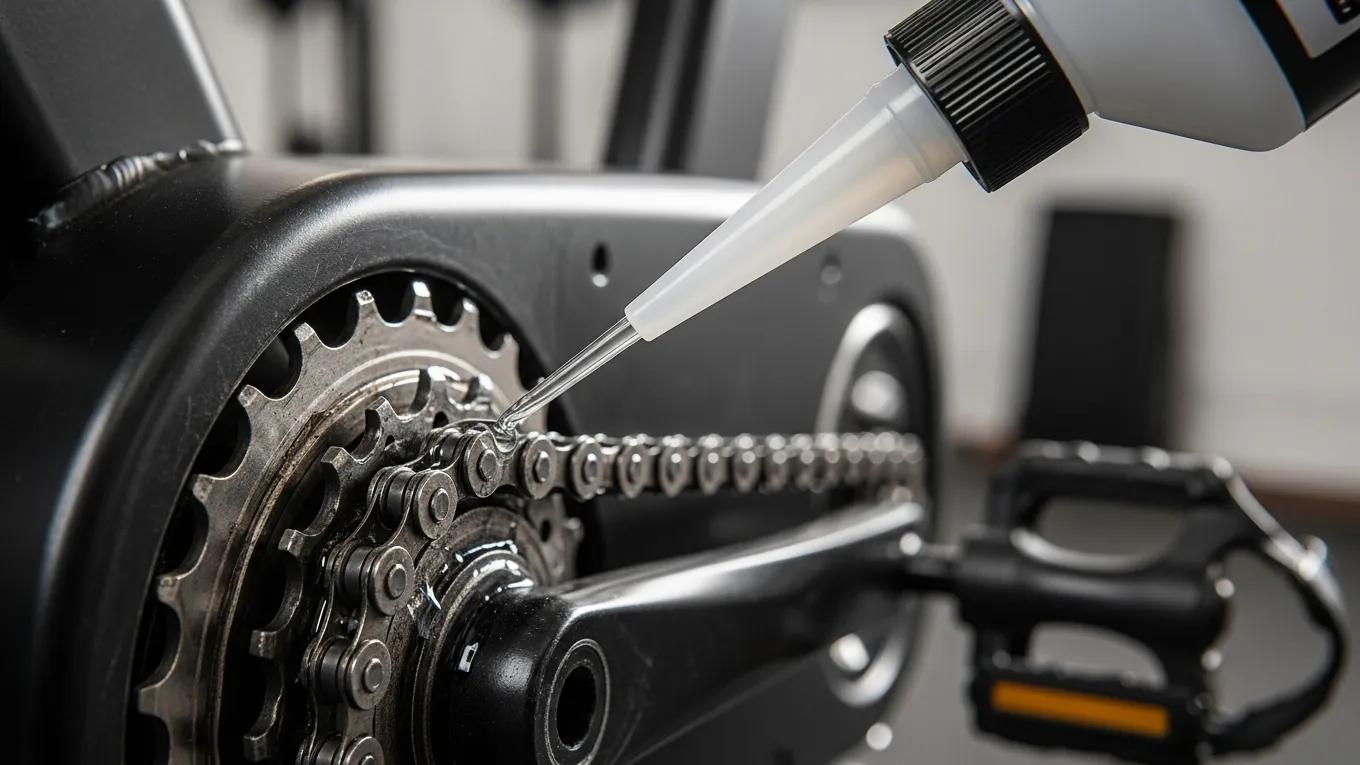
Proper application of lubricant can improve the functionality of your exercise bike. Begin by identifying areas that require lubrication, particularly the chain and moving parts. Apply a suitable lubricant sparingly, ensuring not to over-saturate components. Use a cloth to wipe away excess lubricant to prevent it from attracting dust and debris, which can cause further damage.
What Types of Lubricants Are Recommended for Exercise Bikes?
In general, two main categories of lubricants are recommended for exercise bikes:
- Dry Lubricants: Ideal for dust-prone environments as they do not attract dirt.
- Wet Lubricants: Suitable for high-usage or outdoor conditions but require more frequent cleaning.
When and How Often Should You Lubricate Your Exercise Bike?
Establishing a lubrication schedule is essential for maintaining an exercise bike. It’s generally recommended to lubricate it every 4-6 weeks, especially if it’s in constant use. For heavy users, checking the chain weekly can help prevent issues. Additionally, the frequency of lubrication should increase during seasons when the bike is used more often. For these needs, professional maintenance services can ensure your bike operates at peak condition.
Repair Techniques
Repairing an exercise bike promptly can prevent minor issues from becoming major problems. Knowing how to troubleshoot and repair common issues is key for maintaining usability and safety. This section discusses typical repair techniques and when to call a professional for assistance.
What Are Common Exercise Bike Troubleshooting Issues and How to Fix Them?
Exercise bikes can encounter various issues like strange noises, resistance problems, and display malfunctions. Follow these troubleshooting steps:
- Noise Issues: Identify where the noise comes from; often, it’s related to loose screws or worn components.
- Resistance Problems: Ensure that the resistance knob is functioning properly; lubricate the mechanism if it feels stiff.
- Display Errors: Reset the display console according to the manufacturer’s instructions. If issues persist, check battery connections.
How to Identify Signs of Wear and Mechanical Problems
Visual inspections play a critical role in identifying wear and tear on your exercise bike. Look for:
- Worn Down Belts: Check for fraying or snapping signs.
- Loose Parts: Tighten any bolts or screws that may come loose over time.
- Corrosion: Any rust on metal parts should be cleaned and treated immediately.
Which Repairs Can Be Done At Home Versus When to Call a Professional?
While many minor repairs can be performed at home, some issues require professional assistance.
- Home Repairs: Replacing pedals, tightening screws, or cleaning and lubricating parts can usually be done without help.
- Professional Repairs: If the frame is damaged or there are electrical issues with the console, it’s best to consult experts to avoid compromising safety.
When facing complex or persistent issues, calling professionals is advisable. Requesting service ensures that qualified technicians address the problem efficiently.
Summary
Understanding the fundamentals of exercise bike maintenance ensures longevity and optimal performance. Regular cleaning, thorough lubrication, and proper troubleshooting techniques can prevent costly repairs and enhance the cycling experience. Whether shared in a gym setting or used privately, adopting these practices will guarantee a safer and more enjoyable workout environment.