The ROI of Preventive Maintenance for Commercial Gyms: Maximizing Cost Savings and Equipment Longevity
The financial implications of effective preventive maintenance in commercial gyms can significantly impact overall operational efficiency and equipment reliability. This article explores the return on investment (ROI) associated with preventive maintenance strategies, emphasizing cost savings and the longevity of fitness equipment. Many gym owners battle with high operational costs and unforeseen downtime due to equipment failures, leading to lost revenue and dissatisfied members. Preventive maintenance offers a proactive solution to these challenges, ensuring equipment is well-maintained and operationally efficient. This comprehensive guide will delve into the financial benefits, equipment lifespan extension, types of maintenance contracts available, compliance issues, and real-case examples highlighting significant ROI in commercial gyms.
What Are the Financial Benefits of Preventive Maintenance for Commercial Gym Equipment?
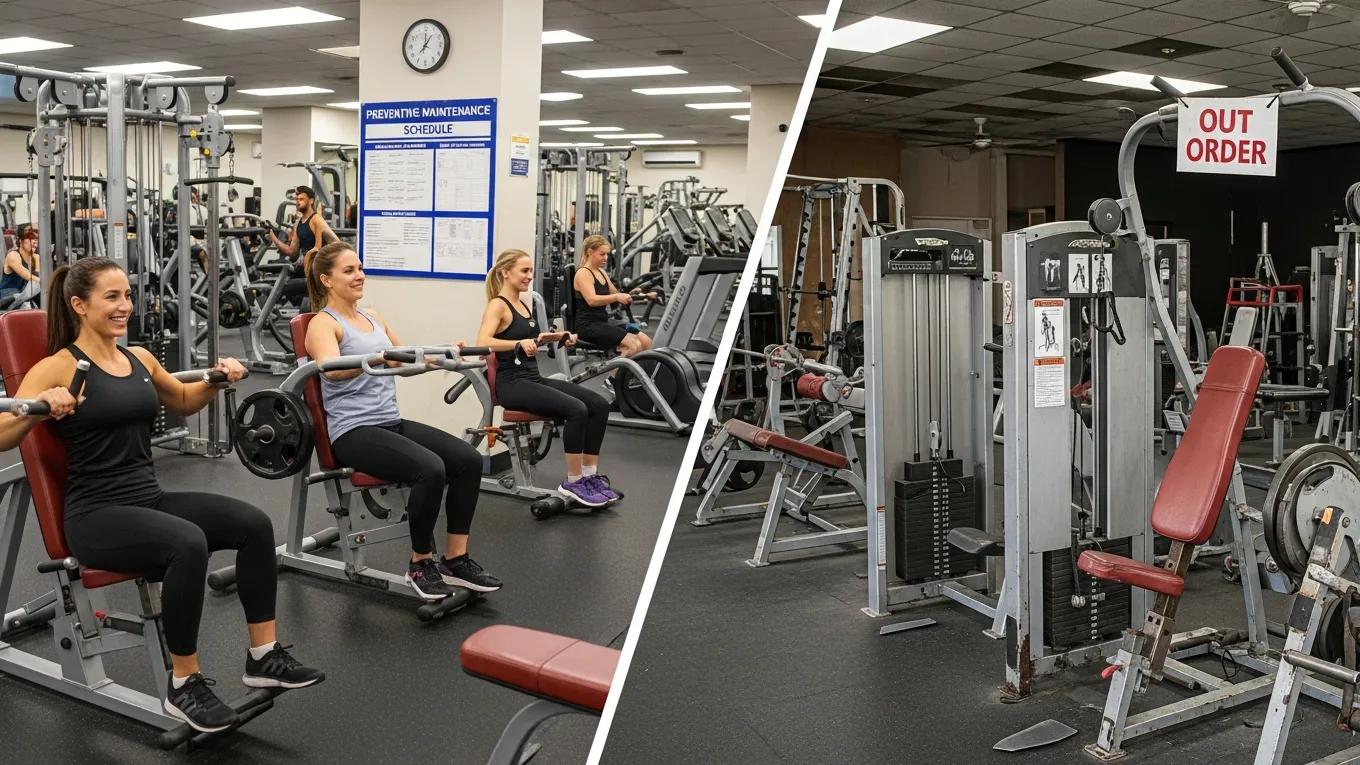
Preventive maintenance is crucial for commercial gyms, delivering substantial economic advantages through reduced operational costs and enhanced equipment performance. Implementing a structured maintenance program can yield significant long-term financial benefits, as it minimizes emergency repairs and associated downtime, which often results in revenue losses. Additionally, regular maintenance can lead to improved energy efficiency, further decreasing operational costs.
How Does Preventive Maintenance Reduce Gym Operational Costs?
Routine maintenance activities, such as inspections, repairs, and efficient scheduling, play a pivotal role in reducing operational expenses. For example, gyms that implement preventive maintenance can experience savings in several areas:
- Reduced Repairs: Regular inspections help identify potential issues early, allowing for minor repairs instead of costly breakdowns.
- Lower Energy Costs: Well-maintained equipment tends to operate more efficiently, leading to lower utility bills.
- Decreased Labor Costs: Having fewer breakdowns means staff can focus on member engagement rather than emergency repairs.
In summary, preventive maintenance significantly contributes to better budgeting and resource allocation by minimizing unexpected costs while maximizing gym operations’ performance.
What Is the Typical ROI on Maintenance Contracts in Commercial Gyms?
Calculating the ROI on maintenance contracts involves assessing how maintenance investments yield financial returns over time. Gym owners can expect various metrics to measure this ROI, including:
- Cost Savings: Track the reduction in repair costs and downtime.
- Increased Member Satisfaction: A decrease in equipment failure leads to a better member experience.
- Membership Retention: Well-maintained facilities attract and retain more members.
For instance, research shows that gyms investing in comprehensive maintenance contracts can see an ROI of over 200% within three years due to lower operational costs and higher member retention rates.
How Does Preventive Maintenance Extend the Lifespan of Fitness Equipment?
Regular preventive maintenance is essential for extending the lifespan of fitness equipment. By addressing wear and tear proactively and adhering to manufacturers’ recommended service schedules, gyms can significantly reduce premature equipment replacements and associated costs.
Which Equipment Types Benefit Most from Scheduled Maintenance?
Certain types of fitness equipment particularly benefit from scheduled maintenance, including:
- Cardio Machines: Treadmills and ellipticals require regular inspections to ensure mechanical components are functioning properly.
- Weight Machines: Preventive checks help maintain calibration and ensure safety.
- Group Fitness Equipment: Regular checks are crucial for items used by multiple users to avoid safety hazards.
This segmentation allows gym owners to target their maintenance efforts efficiently and ensures that critical equipment is always in optimal working condition.
What Are the Measurable Impacts on Equipment Durability?
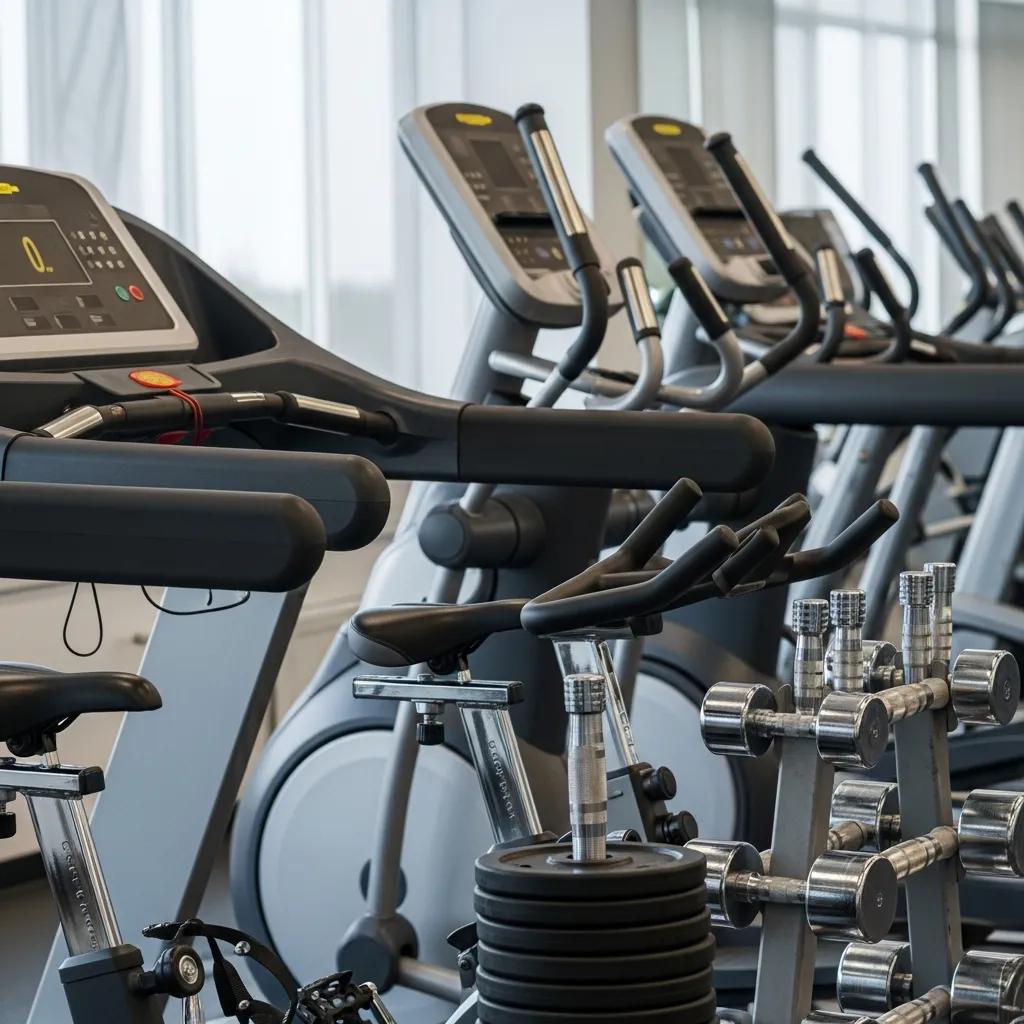
Measuring the durability impacts of preventive maintenance involves tracking key performance indicators (KPIs). Regular servicing has been shown to reduce the likelihood of equipment failures by up to 50%. Additionally, maintenance records indicate that equipment subjected to ongoing preventive care can last 20-25% longer compared to the industry average.
What Types of Preventive Maintenance Contracts Are Available for Commercial Gyms?
There are several preventive maintenance contract options available, each tailored to meet different operational needs and budgets. Understanding these options can help gym owners choose a plan that maximizes their ROI while ensuring equipment reliability.
How Do Maintenance Contract Terms Affect ROI?
The terms of maintenance contracts can significantly influence the overall ROI. Key factors to consider include:
- Frequency of Services: More frequent services can lead to better equipment performance and prolonged lifespans.
- Contract Duration: Longer contract durations may offer better pricing options, locking in cost savings over time.
- Scope of Services: Comprehensive contracts covering parts, labor, and emergency services provide peace of mind and financial predictability.
By carefully evaluating these terms, gym owners can select contracts that enhance their financial outcomes.
What Are the Key Features to Consider in Gym Maintenance Agreements?
When choosing a maintenance agreement, gym owners should focus on the following key features:
- Response Time: Ensure the provider has a reliable response plan for emergency repairs.
- Inclusions vs. Exclusions: Clearly understand what is included in the contract to avoid hidden costs.
- Service History Tracking: Look for contracts that provide ongoing logs of maintenance work performed.
These features contribute to the overall effectiveness of equipment maintenance and support better financial decision-making in gym operations.
How Does Preventive Maintenance Ensure Compliance and Safety in Commercial Gyms?
Meeting compliance standards and ensuring safety are paramount considerations for well-managed commercial gyms. Preventive maintenance is critical in maintaining safety standards, as it ensures that all equipment is functioning safely and adheres to regulatory requirements.
What Safety Standards Do Maintenance Services Address?
Maintenance services typically address several essential safety standards, including:
- Electrical Safety: Regular checks can help mitigate fire hazards posed by faulty wiring.
- Equipment Safety: Ensuring that machines are free from wear and tear reduces the risk of injury.
- Hygiene Standards: Regular cleaning and maintenance ensure a safe training environment for all members.
Adhering to these standards protects not only gym members but also promotes a safe working environment for staff.
How Does Compliance Impact Operational Risk and Legal Liability?
Non-compliance with safety standards can result in significant operational risks and legal liabilities. Regular maintenance mitigates these risks by ensuring compliance and reducing the likelihood of accidents and injuries. A well-maintained facility can also lower insurance premiums, resulting in further financial savings for gym operators.
Which Case Studies Demonstrate the ROI of Preventive Maintenance in Commercial Gyms?
Real-world examples provide insight into the tangible benefits of preventive maintenance. Several gyms have reported significant cost savings and operational improvements through diligent maintenance practices.
What Are Recent Examples of Cost Savings and Downtime Reduction?
For instance, Gym X implemented a preventive maintenance program that included monthly inspections, leading to a 40% reduction in equipment downtime over six months. This proactive approach not only improved member satisfaction but also resulted in a savings of $50,000 in repair costs during that same period.
How Can ROI Calculators Help Assess Maintenance Contract Value?
Utilizing ROI calculators can assist gym owners in evaluating the financial implications of various maintenance contracts. These tools allow for the simulation of different scenarios, factoring in potential downtime costs and maintenance expenses, to project overall savings and value.
By comparing these scenarios, gym owners can make informed decisions that align with their operational goals and financial realities.