Top 10 Common Commercial Fitness Equipment Problems & Fixes: Expert Troubleshooting and Maintenance Solutions
Maintaining commercial fitness equipment is crucial for ensuring safety, enhancing user experience, and minimizing downtime. Yet, gym operators often face multiple challenges in this sector. Understanding the common problems and their fixes not only saves time but also helps in maintaining the longevity of equipment. This article delves into the top issues associated with commercial fitness machines, such as treadmills, ellipticals, and stationary bikes, while offering practical solutions. By identifying these challenges and implementing appropriate repair strategies, facility managers can enhance operational efficiency and improve member satisfaction.
In this guide, we will cover key issues regarding treadmills, ellipticals, stationary bikes, and weight machines, along with their respective troubleshooting techniques and maintenance best practices.
What Are the Most Frequent Issues with Commercial Treadmills?
Treadmills are among the most utilized fitness machines in gyms, leading to wear over time. Common issues include mechanical failures, electrical faults, and misalignment of parts. Understanding these problems enables gym staff to perform timely maintenance, ensuring safety and prolonging the equipment’s lifespan. Gear misalignment, faulty motors, and slipping belts are prevalent, each requiring specific approaches to remedy.
How Can You Fix a Slipping or Misaligned Treadmill Belt?
A slipping or misaligned treadmill belt can interrupt workouts and damage the machine. To fix this, start by identifying the slipping issues through a manual belt tension test. Adjust the belt tension by turning the adjustment screws located at the rear of the treadmill. Test the belt after adjustments to confirm the fix. Always ensure the belt is centered and aligned properly to avoid further complications. Consistent checks and adjustments can prolong the equipment’s functionality.
What Causes Motor and Electrical Faults in Treadmills?
Motor and electrical faults can significantly impair treadmill operations, often leading to safety hazards. Common signs of electrical faults include unusual sounds, dashboard errors, and failure to start. Basic troubleshooting involves checking the electrical connections and ensuring they are secure. If issues persist, it’s advisable to consult a professional technician to assess the problem and recommend further actions. Regular electrical inspections can prevent serious faults and maintain operational efficiency.
How to Diagnose and Repair Elliptical Machine Problems?
Elliptical machines require specific attention due to their complex mechanical systems. Common issues include resistance malfunctions, wear on drive components, and irregular noises during operation. Familiarity with these problems aids gym staff in promptly addressing malfunctions, ensuring user safety and maintaining equipment longevity.
Why Does Elliptical Resistance Malfunction and How to Fix It?
Resistance malfunctions in elliptical machines can frustrate users and hinder workouts. Symptoms typically include unresponsive resistance adjustments. Diagnosing resistance issues often involves inspecting the electronic console, which may need recalibration or replacement. If mechanical issues are at play, lubricating and tightening components may resolve the problem. Regular maintenance practices significantly extend the operational lifespan of these machines.
What Are the Best Practices for Elliptical Machine Maintenance?
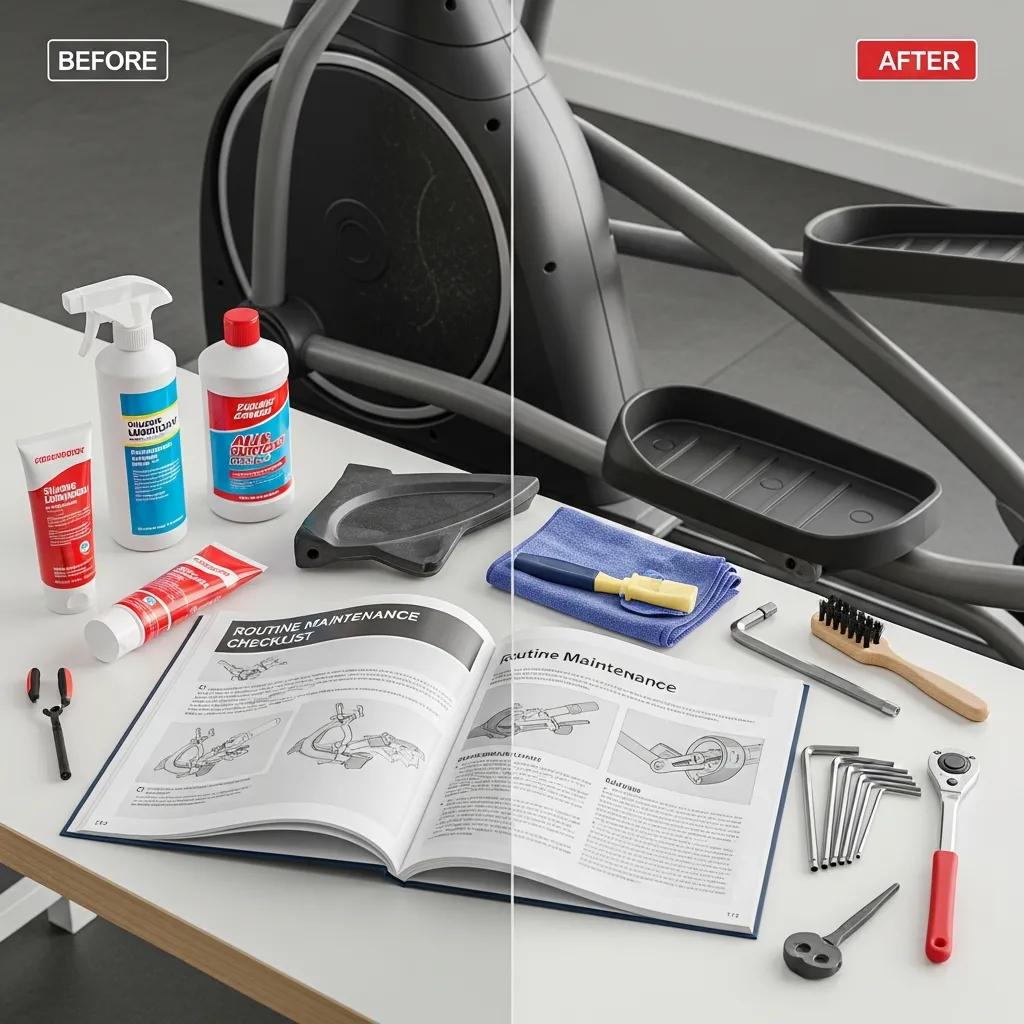
Effective maintenance of elliptical machines enhances their performance and durability. Best practices include:
- Regular Cleaning: Dust and debris can accumulate, affecting machine function.
- Routine Inspections: Check for wear on pedals and moving parts, addressing issues early.
- Lubrication: Lubricate moving parts monthly to prevent friction-related damage.
These practices help avoid serious malfunctions and ensure smooth operation.
What Are Common Troubles and Repairs for Stationary Bikes?
Stationary bikes, another staple in commercial gyms, encounter various issues ranging from pedal malfunction to electronic failures. Common problems include noise during operation, misalignment of pedals, and stiffness in the resistance mechanism. Identifying these problems early can prevent user grievances and enhance overall satisfaction.
How to Resolve Noises and Pedal Issues on Stationary Bikes?
Noise during pedaling can indicate loose or damaged components. To resolve it, tighten bolts, check pedal connections, and inspect the crank for signs of wear. Regularly lubricating the moving parts will also contribute to smoother operation. If problems persist, consider replacing worn parts to maintain performance and safety for users.
Which Electrical Components Commonly Fail and How Can They Be Troubleshot?
Electrical components in stationary bikes may fail due to fatigue or wear. Common issues include unresponsive displays and power failures. To troubleshoot, ensure that batteries are charged and connections are secure. If the component remains faulty, replacement of the faulty part may be necessary. Regular checks can identify potential electrical issues before they necessitate expensive repairs.
How to Identify and Fix Weight Machine Cable and Pulley Problems?
Weight machines commonly experience cable and pulley issues which can significantly affect performance. Noticing signs of wear on cables and pulleys can prevent serious accidents in the gym environment. Understanding how to assess and replace these components is crucial for upholding safety standards.
What Are Signs of Cable Wear and How Is Cable Replacement Performed?
Signs of cable wear include fraying and visible damage, which necessitate immediate replacement. To replace the cable:
- Power Down the Machine: Ensure the machine is off to prevent injury.
- Remove the Old Cable: Detach the current cable from the pulleys.
- Attach the New Cable: Thread the new cable through the pulleys and secure it.
Regular inspections will help catch wear and prevent cable-related accidents during use.
How Do Pulley Malfunctions Affect Weight Machines and Their Repairs?
Malfunctions in pulleys can lead to improper weight distribution and safety concerns. Symptoms include jerking movements during operation or resistance changes. Diagnosing pulley issues involves inspecting the alignment and tension of cables connected to them. Addressing these issues typically requires recalibration or replacement of damaged parts. Understanding the implications of pulley failures is essential to maintaining safe gym operations.
What Are the Best Techniques for Calibration and Lubrication of Fitness Equipment?
Proper calibration and lubrication of fitness machines are fundamental to their maintenance. Calibration ensures machines provide accurate measurements, while lubrication reduces friction to prevent wear. Following best practices for both can enhance equipment lifespan and performance.
How Does Regular Lubrication Prevent Excessive Wear and Tear?
Regular lubrication reduces friction between moving parts, significantly lowering the risk of wear and tear. Equipment should be inspected and lubricated as per manufacturer’s guidelines, ensuring every moving part is adequately maintained. This practice not only extends life but also improves user experience.
Why Is Calibration Critical for Equipment Accuracy and Longevity?
Calibration is critical because it ensures machines operate as intended. Regularly checking and adjusting the calibration can prevent inaccuracies, providing users with correct information about their workouts. Establishing a routine calibration schedule enhances equipment longevity and user satisfaction.
Which Advanced Diagnostic Tools and Technologies Improve Equipment Troubleshooting?
The integration of advanced diagnostic tools in gym equipment maintenance is revolutionizing how issues are identified and resolved. Technologies like IoT sensors are enabling predictive maintenance, drastically reducing downtimes and ensuring machines are always in optimal condition.
How Are IoT Sensors Used for Predictive Maintenance of Gym Equipment?
IoT sensors can monitor machine performance in real-time, allowing gym operators to anticipate failures before they become serious issues. By analyzing data received from these sensors, trends can be identified, resulting in timely maintenance actions that minimize service interruptions.
What Emerging Technologies Assist in Efficient Equipment Repair?
Emerging technologies, such as augmented reality (AR) for maintenance training, streamline the repair process. AR can provide technicians with virtual guidance, making complex repairs manageable and reducing the time taken for repairs. These innovations are paving the way for more efficient and effective gym equipment management practices.