Rowing Machine Troubleshooting Guide: Expert Solutions and Maintenance Strategies
By Eric Depaul, Fit Repair Pros
Rowing machines are valuable fitness tools, providing an excellent full-body workout when maintained correctly. Regular use can lead to wear and tear, which may result in various issues impacting performance and safety. This guide serves to help users troubleshoot common rowing machine problems, emphasizing essential maintenance strategies that can prolong equipment life and enhance workout efficiency. Throughout, expert solutions will be shared to assist both residential and commercial users in resolving issues effectively and efficiently.
In this article, readers will learn about essential troubleshooting steps, maintenance best practices, and when to seek professional help. Key topics include timely repairs, user education, and the value of professional servicing. By understanding how to interpret error messages and mechanical faults, users can navigate common challenges while keeping their rowing machines in optimal condition.
Regular Inspections
Regular inspections are vital for maintaining reliable rowing machine performance. Performing routine checks allows users to identify wear and tear early and ensure that all components function correctly. A systematic approach to inspections can help set a frequency that aligns with the unit’s usage, enhancing overall longevity.
Key points for effective inspections include:
- Inspecting for wear and tear: Frequent observation of moving parts can prevent larger issues down the line.
- Performance checks: Regularly testing functionalities ensures the rowing machine operates as intended.
- Setting inspection frequency: Establish a schedule tailored to the usage of the rowing machine, ensuring all routine inspections are adequately conducted.
Preventive Maintenance
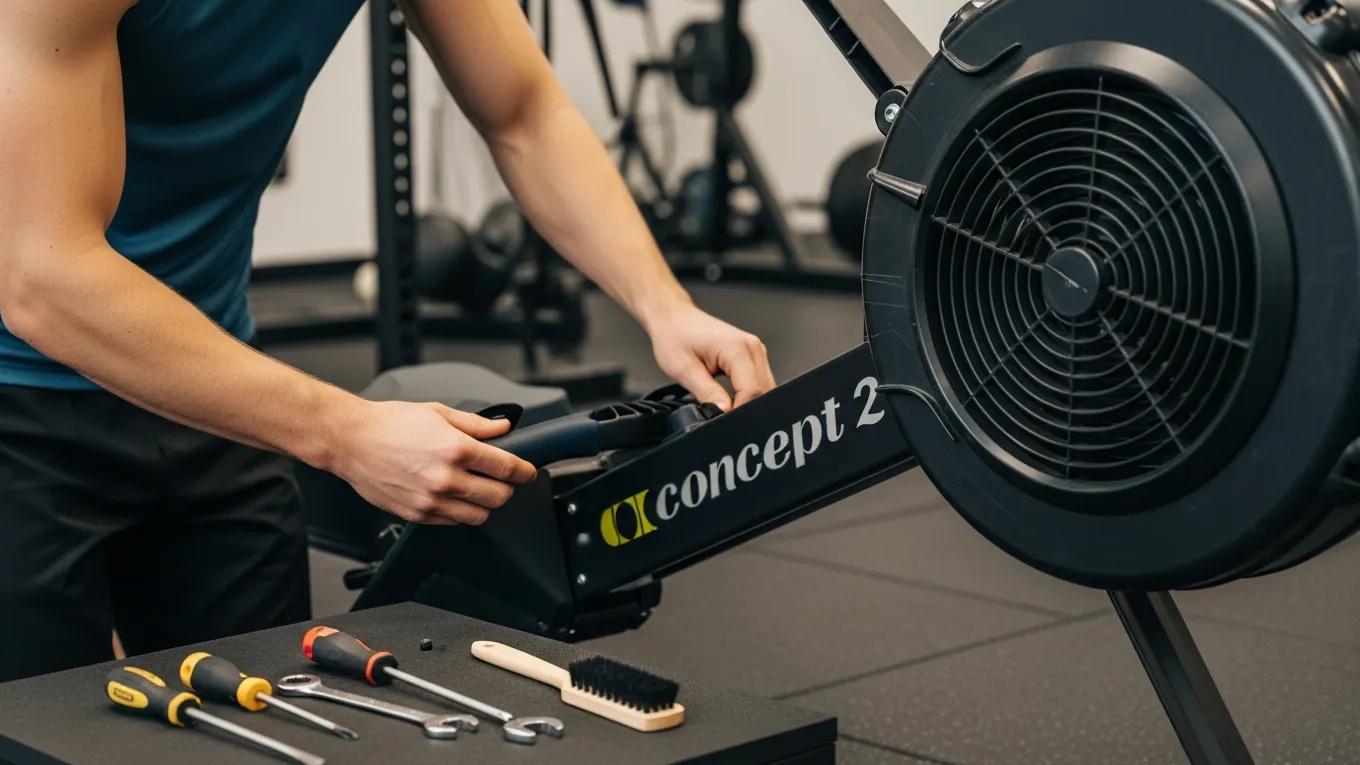
Preventive maintenance is crucial for the longevity and safety of rowing machines. It involves scheduling specific tasks designed to maintain the equipment in optimal condition and reduce the likelihood of repairs. By implementing effective preventive measures, users can significantly enhance their equipment’s lifespan while avoiding common issues.
Tribology’s Role in Effective Machinery Maintenance
Tribology’s contribution to maintenance strategies andMachine Failure and Its Avoidance–Tribology’s Contribution to Effective Maintenance of Critical Machinery, 2005
Lubrication
Proper lubrication is critical to avoiding wear and maintaining consistent performance. Important aspects include:
- Types of lubricants: It is essential to use recommended lubricants, ensuring compatibility with the machine’s materials.
- Common areas requiring lubrication: Focusing on parts such as the resistance mechanism and seat roller will optimize machine function.
Cleaning
A dedicated cleaning schedule is vital for maintaining hygiene and performance. Users should consider:
- Cleaning frequency recommendations: Regular cleaning helps to prevent dirt buildup that can impede machine function.
- Safe cleaning agents: Utilizing non-abrasive cleaning agents protects the machine’s surfaces while ensuring efficient operation.
These detailed maintenance activities, from cleaning to tightening components, contribute significantly to the prolonged life and optimal function of the machinery.
Optimizing Equipment Maintenance for Residual Value
This includes activities such as dust removal, lubrication, and tightening of components. TheModeling and Optimization of Maintenance Strategies in Leasing Systems Considering Equipment Residual Value, 2025
Timely Repairs
Addressing issues promptly is essential for staying ahead of more significant problems. Recognizing common repair indicators, such as unusual noises or performance drops, is key to maintaining equipment.
Timely interventions not only enhance performance but also extend the machine’s lifespan. Common signs indicating repairs are needed include:
- Unexpected movements or noises: Changes in how a rowing machine operates can signal underlying issues.
- Performance declines: Diminished effectiveness during workouts may require immediate attention.
For those needing assistance, professional services can streamline repairs, ensuring higher quality and accountability in maintenance.
User Education
Educating users on proper techniques is crucial to avoid misuse, which can lead to equipment damage or personal injury. Proper usage involves understanding the rowing motion and the equipment’s mechanics.
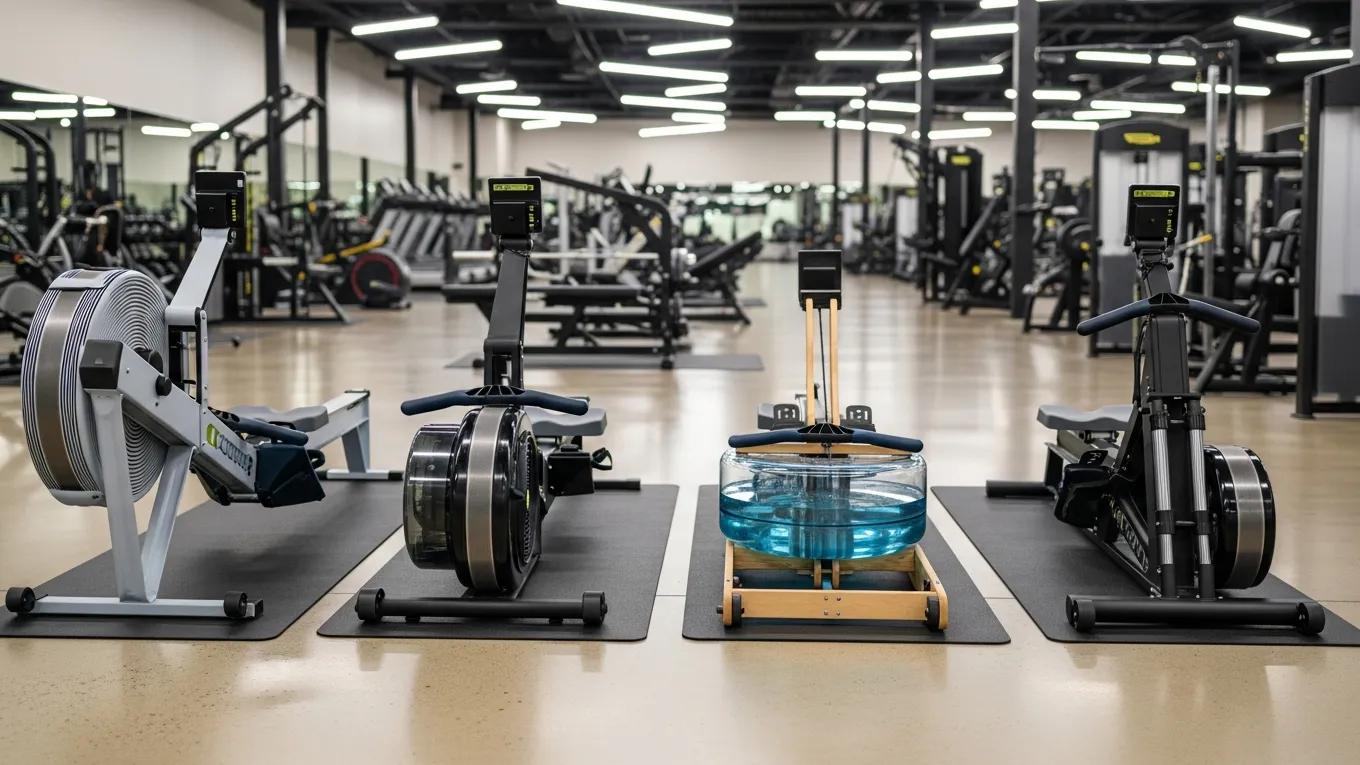
Understanding the specific type of rowing machine in use is essential for both safe and effective workouts, as it also simplifies maintenance efforts.
Indoor Rowing: Guide to Training and Machine Maintenance
of rowing machine you’re using ensures safe and effective usage, enables you to optimize your workouts, facilitates maintenanceIndoor rowing: your complete guide to training, programming, and workouts, 2024
The impact of misuse can be significant, leading to reduced performance or safety concerns. Key education topics include:
- Proper usage techniques: Training users on the correct rowing form can optimize both effectiveness and safety during workouts.
- Avoiding common mistakes: Identifying frequent errors can help users minimize damage and enhance their overall experience.
Professional Servicing
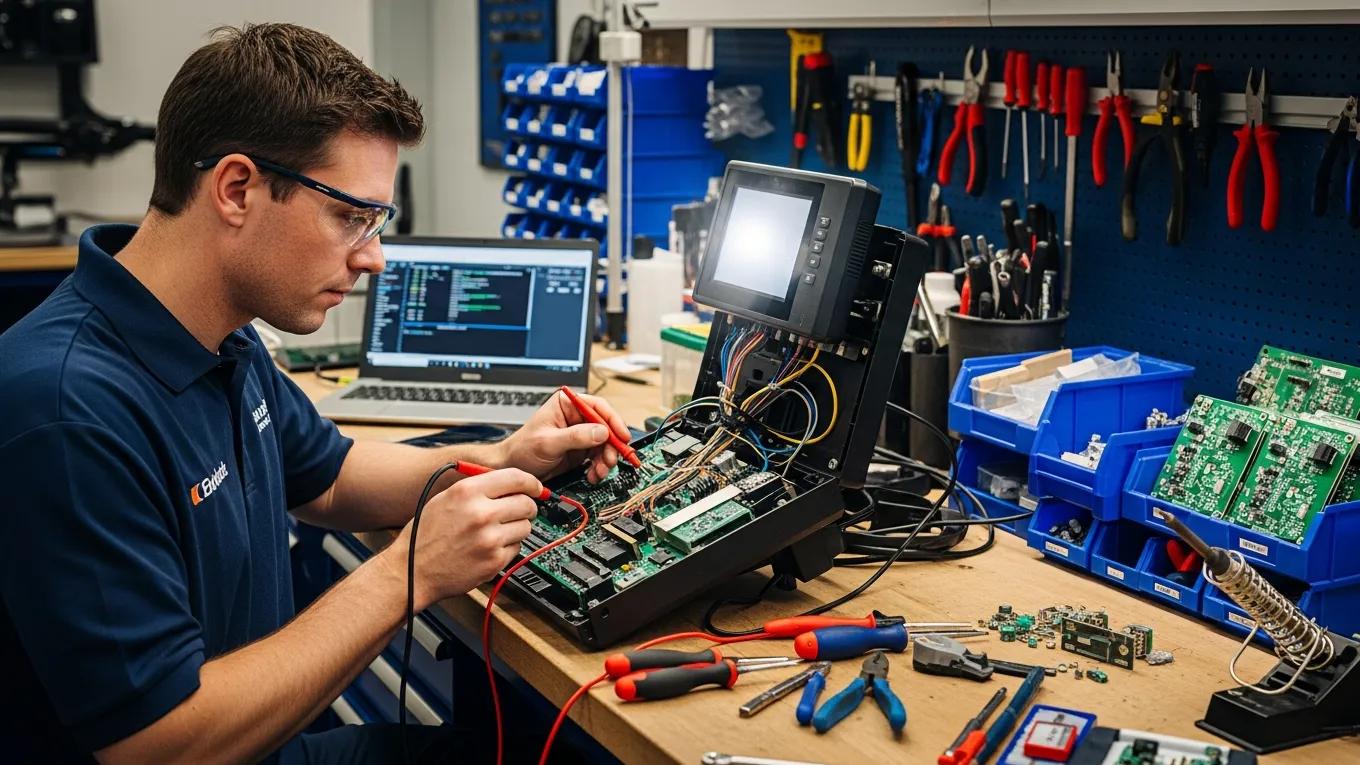
Engaging with professional services is often necessary for comprehensive maintenance and in-depth technical checks. Understanding the frequency of professional checks can help maintain equipment effectively. The benefits of expert oversight include:
- Enhanced durability: Professionals can address hard-to-detect issues that regular inspections might miss.
- Improved performance reliability: Expert servicing ensures that all machine aspects are fully functional and safe.
At Fit Repair Pros, we provide specialized services tailored to meet the unique needs of both residential and commercial rowing machine users.
Monitoring Usage
Understanding usage patterns is crucial for proactive maintenance. Users should regularly track their machines to recognize wear and tear trends, which can prevent equipment issues before they arise.
Key aspects of monitoring usage include:
- Daily usage tracking: Keeping logs on usage frequency and duration can help in predictive maintenance.
- Recognizing wear trends: Patterns in performance drops might indicate larger underlying concerns.
Data-Driven Maintenance
Leveraging data analysis for maintenance schedules can optimize rowing machine performance. By utilizing available data, users can make informed decisions regarding upkeep.
Key considerations for data-driven maintenance include:
- Importance of data tracking: Regularly recording machine performance data enhances maintenance effectiveness and user understanding.
- Common analytics sources: Users should familiarize themselves with software and tools that help track performance trends.
What Are Common Rowing Machine Error Messages and How Can They Be Resolved?
Common error messages on rowing machines can be confusing for users. Understanding and resolving these alerts can enhance the user experience and maintain optimal functionality.
Some typical error messages include “ERR1” or “Sensor Failure.” Here’s how to handle them:
How to Interpret and Fix Display and Sensor Error Codes
To address display and sensor errors effectively:
- Identify error codes: Recognizing codes like “ERR1” points to specific faults that need attention.
- Follow resolution steps: For example, reset the machine or check wiring connections to fix performance issues.
What Steps Should You Take When the Rowing Machine Display Is Blank?
When faced with a blank display:
- Initial checks to perform: Ensure the machine is plugged in and that the power switch is working.
- Consulting manuals: User manuals often provide valuable troubleshooting steps tailored to specific models.
Which Mechanical Issues Affect Rowing Machine Performance and How Are They Repaired?
Mechanical issues can significantly hinder rowing machine performance. Recognizing these problems early can facilitate timely repairs.
Typical mechanical issues include broken seat rollers or malfunctioning resistance mechanisms. Addressing these requires understanding the machine’s workings and symptoms.
How to Diagnose and Repair Common Mechanical Faults
To diagnose mechanical faults, follow these essential steps:
- Visual Inspection: Inspect all moving parts for wear or damage.
- Functional Tests: Run the machine through its paces to identify anomalies.
- Repair Options: Consult replacement parts or consider professional repair services for extensive damage.
When Is Professional Rowing Machine Repair Service Recommended?
It is advisable to seek professional help when users encounter persistent issues that they cannot resolve independently.
Key signs for when to engage a professional:
- Repeated errors: Ongoing problems that reoccur despite attempts at self-repair signal the need for expertise.
- Complex mechanical issues: If repairs are beyond the user’s capability, professional services can offer solutions.
What Preventive Maintenance Practices Ensure Longevity of Your Rowing Machine?
Implementing preventive maintenance routines is essential for keeping rowing machines in top shape. Key practices include:
- Regular inspections: Checking all components ensures user safety and machine longevity.
- Scheduled lubrication and cleaning: A defined schedule helps establish consistent maintenance routines.
Which Regular Maintenance Tasks Improve Performance and Safety?
Essential regular maintenance tasks can significantly enhance both rowing machine performance and safety. Users should focus on:
- Inspecting and tightening screws: Ensuring all parts are secure promotes safer usage.
- Monitoring for unusual sounds: Early intervention with strange noises often helps in preserving machine integrity.
How Often Should Rowing Machines Be Serviced to Prevent Errors?
To maintain optimal rowing machine function, service is recommended every 6-12 months, depending on usage levels. Regular servicing can prevent errors effectively.
Users should keep a servicing log to track maintenance schedules and ensure compliance with recommended timelines, improving overall machine performance.
How Do Commercial and Residential Rowing Machine Maintenance Needs Differ?
The maintenance needs of commercial and residential rowing machines can vary significantly.
What Are the Unique Challenges of Maintaining Multi-User Commercial Machines?
In commercial environments, rowing machines endure more extensive use, leading to:
- Higher wear and tear rates: Equipment tends to fail more quickly under heavy use.
- User management challenges: Different users can lead to inconsistencies in equipment handling and usage.
How Can Residential Owners Optimize Their Maintenance Routine?
Residential users should consider practical and straightforward maintenance strategies for optimal performance:
- Regular DIY checks: Basic maintenance tasks help prolong machine life.
- Familiarity with common issues: Recognizing typical problems prepares users for timely responses.
How Can You Schedule Professional Rowing Machine Repair and Maintenance Services?
Scheduling professional servicing can be accomplished effectively by following simple steps.
What Is the Process to Request Expert Repair Services from Fit Repair Pros?
When trying to schedule a service:
- Identify service providers: Locate trusted professionals, such as Fit Repair Pros.
- Provide essential information: Filling out a service request involves detailing the issues encountered for accurate service.
What Are the Benefits of Choosing Specialist Repair Services?
Opting for specialist repair services can deliver remarkable advantages. The most notable benefits include:
- Expertise of technicians: Trained professionals offer specialized knowledge on rowing machines.
- Quality assurance: Reliable services provide guarantees on repairs, enriching the user experience.