How Preventive Maintenance Protects Your Commercial Fitness Equipment Investment and Maximizes ROI
Investing in commercial fitness equipment is a significant financial commitment for any fitness facility. However, without proper care and maintenance, this investment can quickly diminish in value. This article explores how preventive maintenance (PM) safeguards your fitness equipment, ensuring longevity and maximizing return on investment (ROI). Readers will learn about the importance of PM, the financial benefits it offers, and how to implement an effective maintenance program. By understanding these aspects, fitness facility owners can protect their investments and enhance member satisfaction.
How Preventive Maintenance Boosts ROI and Protects Gym Equipment
Commercial fitness equipment refers to machines and tools used in gyms and fitness centers designed for high-frequency use. This category includes cardio machines, strength training equipment, and functional training tools. Investing in quality fitness equipment is crucial for attracting and retaining members, as it directly impacts the user experience and overall satisfaction.
Which Types of Equipment Constitute Commercial Gym Assets?
Commercial gym assets encompass a variety of equipment types, including:
- Cardio Machines: Treadmills, ellipticals, and stationary bikes that provide cardiovascular workouts.
- Strength Training Equipment: Free weights, resistance machines, and cable systems designed for muscle building.
- Functional Training Tools: Items like kettlebells, medicine balls, and resistance bands that enhance overall fitness.
These assets are essential for any fitness facility aiming to provide a comprehensive workout experience.
Why Protecting Your Fitness Equipment Investment Is Critical for Business Success
Protecting your fitness equipment investment is vital for several reasons. First, neglecting maintenance can lead to equipment breakdowns, resulting in costly repairs and downtime. Second, poorly maintained equipment can negatively impact member satisfaction, leading to decreased retention rates. Lastly, a well-maintained facility enhances your reputation, attracting new members and fostering loyalty among existing ones.
How Does Preventive Maintenance Extend Equipment Lifespan and Reduce Depreciation?
Preventive maintenance plays a crucial role in extending the lifespan of fitness equipment and minimizing depreciation. By regularly servicing machines, facilities can identify and address potential issues before they escalate into significant problems.
What Are the Key Preventive Maintenance Tasks for Commercial Fitness Equipment?
Key preventive maintenance tasks include:
- Regular Inspections: Conducting routine checks to identify wear and tear.
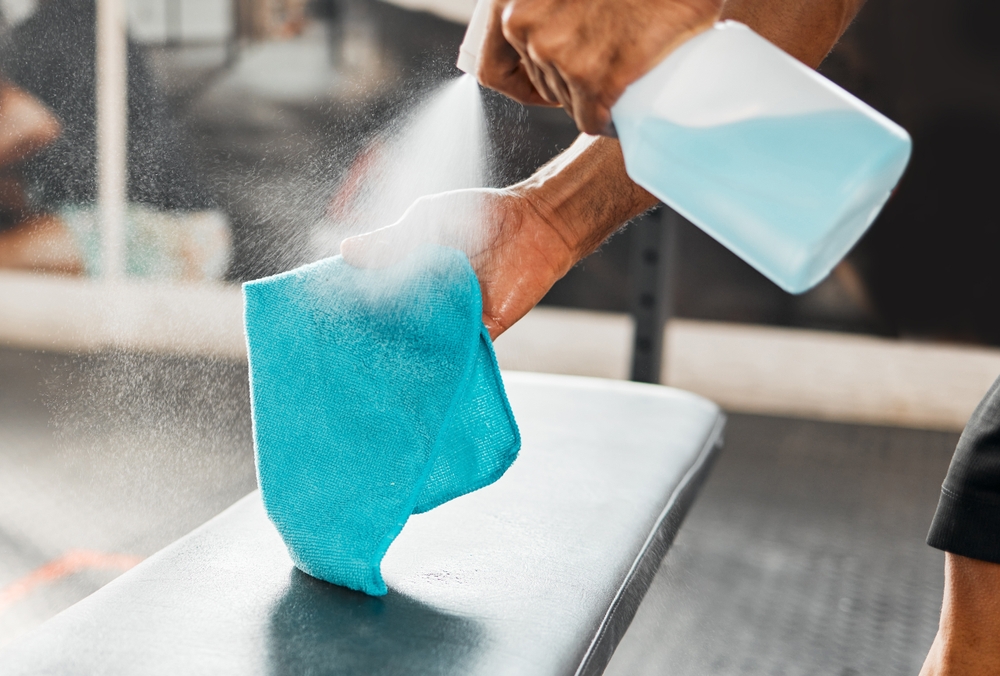
- Cleaning Protocols: Keeping equipment clean to prevent damage and maintain hygiene.
- Lubrication and Calibration: Ensuring moving parts are well-lubricated and machines are calibrated for accurate performance.
These tasks help maintain equipment functionality and safety, ultimately prolonging its lifespan.
How Does Regular Maintenance Slow Wear and Tear on Gym Machines?
Regular maintenance significantly slows wear and tear on gym machines. By addressing minor issues promptly, facilities can prevent more extensive damage that could lead to costly repairs. For example, lubricating moving parts reduces friction, which can cause mechanical failure over time. This proactive approach not only saves money but also ensures that equipment remains safe and effective for users.
What Are the Financial Benefits and ROI of Preventive Maintenance for Fitness Facilities?
The financial benefits of preventive maintenance are substantial. By investing in regular maintenance, fitness facilities can reduce repair and replacement costs, ultimately enhancing their ROI.
How Does Preventive Maintenance Reduce Repair and Replacement Costs?
Preventive maintenance reduces repair and replacement costs by addressing issues before they escalate. Facilities that implement a PM program often see a decrease in emergency repairs, which can be significantly more expensive than routine maintenance. For instance, a well-maintained treadmill is less likely to require costly motor replacements, saving facilities thousands of dollars over time.
In What Ways Does Maintenance Improve Operational Efficiency and Energy Savings?
Regular maintenance also improves operational efficiency and energy savings. Well-maintained equipment operates more efficiently, consuming less energy and reducing utility costs. For example, a properly calibrated elliptical machine uses less electricity than one that is out of alignment, leading to lower operational expenses. This efficiency not only benefits the facility’s bottom line but also contributes to a more sustainable operation.
How Does Preventive Maintenance Enhance Safety and Member Satisfaction in Gyms?
Safety and member satisfaction are paramount in any fitness facility. Preventive maintenance directly contributes to both by ensuring that equipment is safe to use and functions correctly.
Why Is Equipment Safety Vital for Member Retention and Injury Prevention?
Equipment safety is critical for member retention and injury prevention. Regular maintenance checks help identify potential hazards, such as frayed cables or loose bolts, that could lead to accidents. By prioritizing safety, facilities can foster a secure environment that encourages members to return and recommend the gym to others.
Indeed, research underscores the direct link between consistent preventive maintenance and ensuring a safe environment for gym patrons.
Preventive Maintenance for Fitness Equipment Safety
Preventive maintenance of both fitness equipment and the general physical environment
The role of equipment, the physical environment and training practices in customer safety within fitness facilities:
The perspectives of fitness industry employees, SE Gray, 2015
How Does Well-Maintained Equipment Improve User Experience?
Well-maintained equipment enhances the user experience by providing reliable and effective workouts. Members are more likely to enjoy their fitness journey when they can trust that the machines they use are in optimal condition. This positive experience can lead to higher retention rates and increased referrals, ultimately benefiting the facility’s growth.
How Can Fitness Facilities Implement an Effective Preventive Maintenance Program?
Implementing an effective preventive maintenance program requires careful planning and execution. Facilities must establish a routine that ensures all equipment is regularly serviced and maintained.
What Is the Recommended Schedule for Commercial Gym Equipment Maintenance?
A recommended maintenance schedule includes:
- Daily Checks: Inspecting equipment for visible issues and cleaning surfaces.
- Weekly Maintenance: Conducting more thorough inspections and performing minor repairs.
- Monthly Servicing: Engaging professional technicians for in-depth maintenance and calibration.
This structured approach helps ensure that all equipment remains in peak condition, minimizing downtime and maximizing member satisfaction.
How Can Technology Like CMMS and IoT Sensors Optimize Maintenance?
Technology can significantly enhance preventive maintenance efforts. Computerized Maintenance Management Systems (CMMS) and Internet of Things (IoT) sensors can track equipment usage and alert staff to maintenance needs. For example, IoT sensors can monitor machine performance in real-time, providing data that helps facilities schedule maintenance proactively. This technology not only streamlines operations but also ensures that equipment is always ready for use.
Leveraging advanced technologies like IoT sensors can transform traditional maintenance into a predictive approach, yielding substantial economic benefits and cost savings, as supported by research.
Predictive Maintenance for Equipment ROI & Cost Savings
With this growth of medical equipment, hospitals need to adopt optimal maintenance strategies that enhance the performance of their equipment and attempt to reduce their maintenance costs and effort. In this work, a Predictive Maintenance (PdM) approach is presented to help in failure diagnosis for critical equipment with various and frequent failure mode(s). Moreover, transforming traditional maintenance into PdM has to be supported by an economic analysis to prove the feasibility and efficiency of transformation. In terms of economics, the proposed approach proved to provide significant diagnostic and repair cost savings that can reach up to 25% and an investment payback period of one year.
IoT based predictive maintenance management of medical equipment, A Shamayleh, 2020
What Advanced Strategies Complement Preventive Maintenance for Asset Protection?
In addition to routine maintenance, advanced strategies can further protect fitness equipment investments. These strategies include staff training and insurance considerations.
How Does Staff Training Support Consistent Maintenance Practices?
Staff training is essential for ensuring consistent maintenance practices. By educating employees on proper equipment use and maintenance protocols, facilities can create a culture of care that extends the lifespan of their assets. Regular training sessions can reinforce the importance of maintenance and empower staff to identify and report issues promptly.
What Role Does Gym Equipment Insurance Play in Comprehensive Investment Protection?
Gym equipment insurance plays a vital role in comprehensive investment protection. It provides financial coverage in the event of equipment damage or loss, allowing facilities to recover quickly from unforeseen incidents. By investing in insurance, fitness facilities can safeguard their assets and ensure business continuity, even in challenging circumstances.