Preventive Maintenance Tips for Gym Owners: Essential Gym Equipment Servicing and Upkeep Guidelines
By Eric Depaul, Fit Repair Pros
As a gym owner, ensuring that your equipment is well-maintained is essential for providing an optimal experience for your clients. Regular preventive maintenance not only extends the lifespan of your machines but also enhances their performance and safety. This article will explore the importance of preventive maintenance, specific servicing and upkeep guidelines, and effective strategies for scheduling such maintenance. By focusing on these aspects, gym owners can minimize unexpected equipment failures, improve client satisfaction, and keep operations running smoothly.
Preventive Maintenance Tips for Gym Owners
Preventive maintenance is a proactive approach to maintaining gym equipment that helps in identifying potential issues before they become major problems. Regular maintenance tasks, including inspections and servicing, are crucial for reducing downtime and ensuring that equipment operates effectively. For gym owners, adhering to a preventive maintenance schedule is not just beneficial; it is vital for preserving their investment in fitness equipment and guaranteeing user safety and satisfaction.
Essential Servicing and Upkeep Guidelines:
Regular servicing and upkeep are non-negotiable for gym owners. Essential activities include:
- Regular Inspections: Conducting monthly inspections helps in identifying wear and tear before they escalate into serious issues.
- Cleaning Protocols: Implementing daily cleaning processes keeps your equipment in top condition, reducing the buildup of dirt and sweat that can lead to malfunctions.
- Lubrication of Moving Parts: Regularly lubricating moving components is crucial to ensure smooth operation and prevent wear and tear over time.
Following these guidelines can help maximize the longevity of gym equipment, ensuring it serves your clients effectively.
Key Preventive Maintenance Tasks:
Differentiating maintenance tasks for various types of gym equipment enhances their effectiveness. Key tasks include:
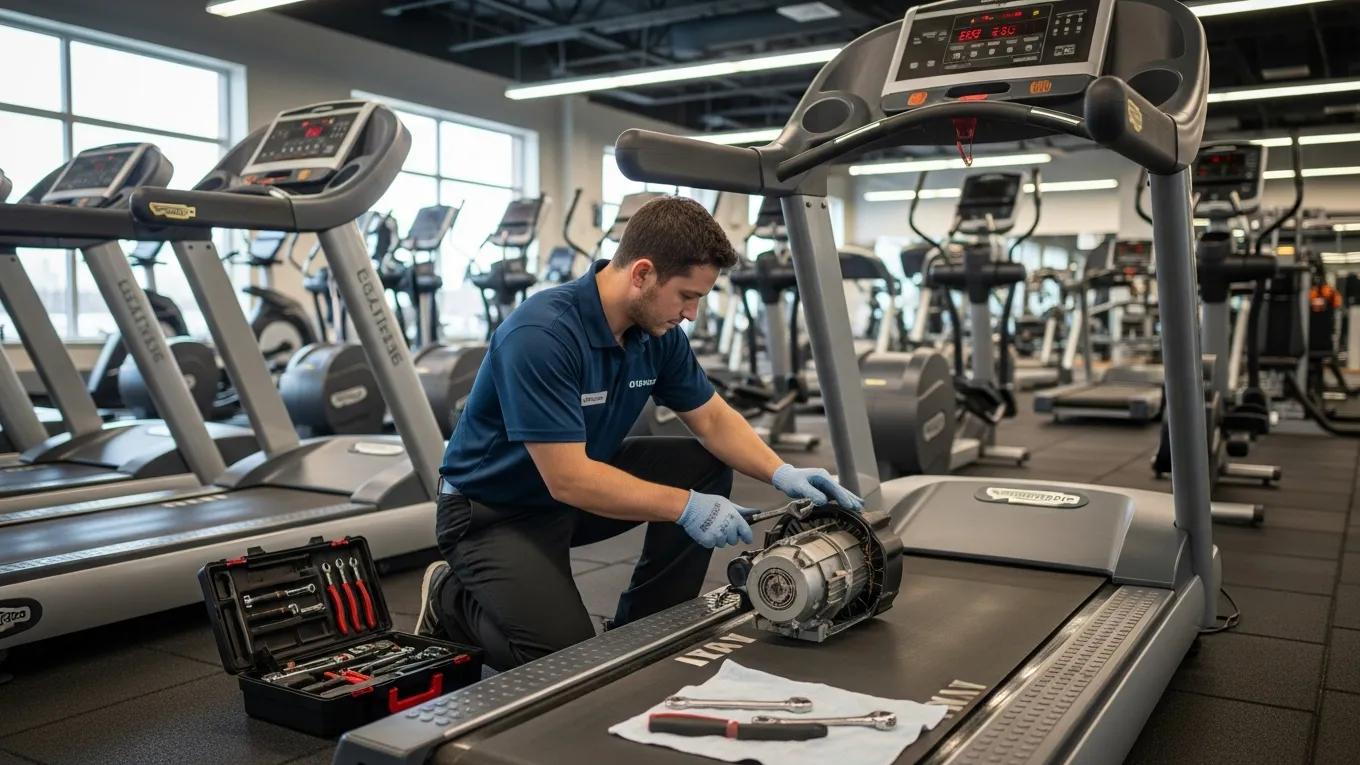
- Treadmills: Regularly check the belt tension and lubricate it to ensure smooth operation.
- Ellipticals: Inspect resistance mechanisms and clean dust from electronic components to avoid functionality issues.
- Exercise Bikes: Regularly check pedal assemblies and ensure that seats and handlebars are securely attached.
Each type of equipment has unique maintenance requirements, and understanding these distinctions is pivotal for any gym owner.
Effective Repair Scheduling:
Scheduling repairs effectively is crucial for minimizing downtime. Establish a routine for proactively checking equipment and documenting any required repairs. By doing so, gym owners can ensure that their machines remain in peak condition, thus avoiding sudden failures that might drive clients away.
Recommended Servicing Frequency:
The servicing frequency depends on the type of gym equipment and its usage pattern. High-traffic gyms may need equipment servicing every three months, while less busy facilities might manage with semi-annual check-ups. Keeping detailed maintenance records also helps understand the best intervals for servicing each piece of equipment.
This table illustrates the servicing frequencies for different equipment types, allowing gym owners to prioritize maintenance accordingly.
Strategies for Scheduling Preventive Maintenance:
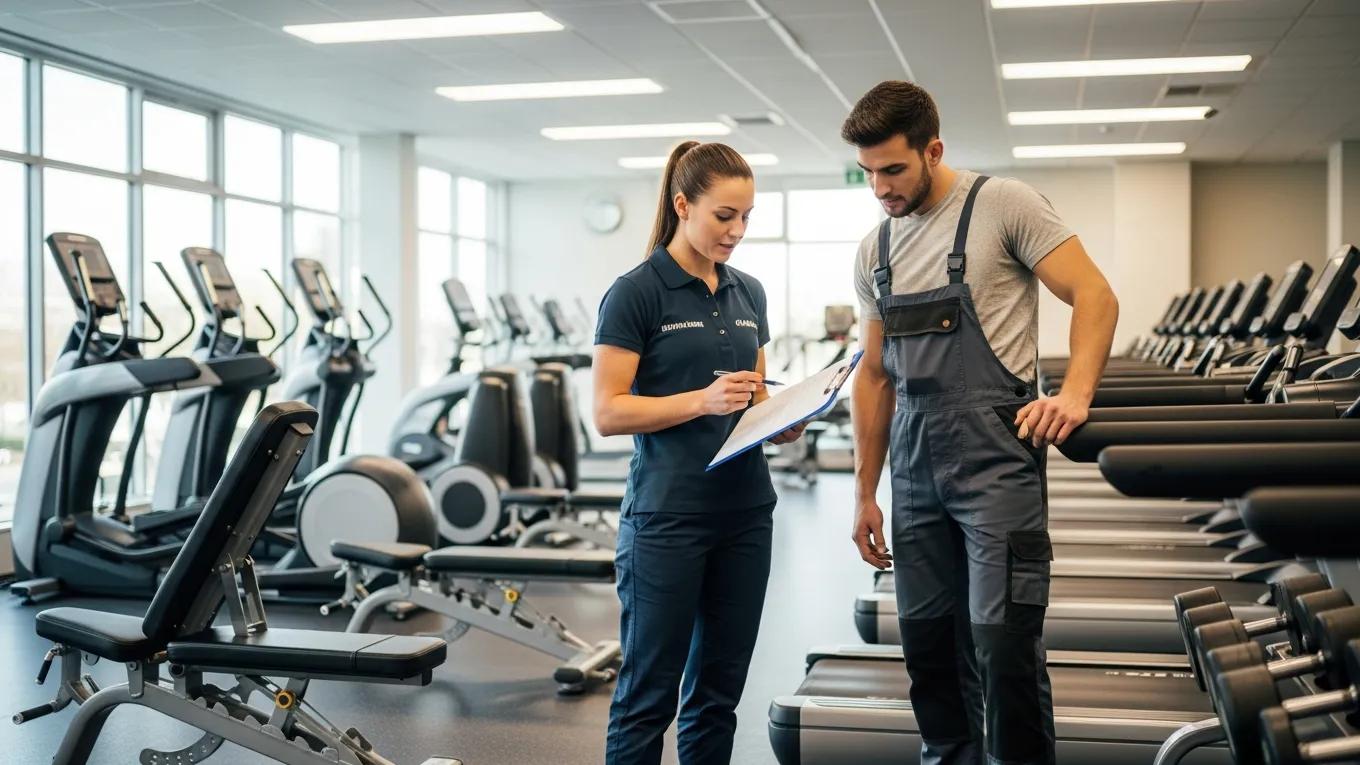
To streamline your maintenance process, consider developing a maintenance checklist that includes:
- Inspections and Cleanings: Assign specific days for regular checks.
- Documenting Past Issues: Keep a log of previous repairs to identify recurring problems.
- Budgeting for Maintenance: Allocate funds regularly for maintenance to prevent financial strain.
Such strategies make it easier to manage preventive maintenance efforts effectively.
What Are the Key Preventive Maintenance Tasks for Commercial and Residential Gym Equipment?
When it comes to maintaining both commercial and residential gym equipment, there are shared tasks that every gym owner should prioritize. Regardless of the environment, essential maintenance tasks include:
- Inspecting Electrical Components: Ensure that all wires are intact and connections are secure to avoid hazards.
- Wiping Down Equipment After Use: This not only prevents sweat damage but also keeps machinery looking new.
- Calibrating Machines: Regular checks on calibration ensure that they provide accurate performance metrics to users.
Identifying differences in maintenance practices can lead to tailored strategies for various equipment types and environments.
How Should Treadmills Be Cleaned and Lubricated Regularly?
Cleaning and lubricating treadmills are essential for preserving their functionality. The steps include:
- Daily Wipe Down: After each use, users should clean the console and surfaces with appropriate solutions.
- Weekly Dusting: Dust buildup can affect performance, so a weekly dusting of components is necessary.
- Monthly Lubrication: Depending on use, lubricate the treadmill belt and deck monthly to prevent friction that could lead to breakdowns.
Adopting these practices keeps treadmills in excellent working condition.
What Are the Best Inspection Practices for Ellipticals and Exercise Bikes?
For ellipticals and exercise bikes, best inspection practices include:
- Checking for Wear: Inspect pedals and resistance mechanisms for any signs of wear.
- Assessing Stability: Ensure that all components are securely attached to avoid accidents.
- Monitoring Electronic Functions: Regularly test electronic components for responsiveness to maintain a seamless user experience.
Following these inspection practices helps maintain equipment longevity and ensures safety for all users.
How to Develop an Effective Repair Schedule for Gym Equipment Maintenance?
Creating an effective repair schedule involves several steps:
- Identify and Prioritize Equipment: Determine which equipment is used most frequently and requires regular attention.
- Create a Timeline: Develop a maintenance timeline that aligns with gym usage patterns to avoid busy periods.
- Utilize Professional Services: For complex repairs, consider leveraging professional repair services to ensure expert handling.
This structured approach leads to reduced downtime and efficient use of resources.
What Is the Recommended Frequency for Equipment Servicing?
The servicing frequency generally hinges on several factors, primarily equipment usage. High-traffic gyms may benefit from tri-monthly servicing, while smaller gyms conducting fewer activities may service every six months. Understanding these dynamics is critical for effective maintenance.
How Can Scheduling Preventative Maintenance Reduce Downtime?
Scheduling preventative maintenance helps mitigate unexpected downtime by:
- Identifying Issues Early: Regular maintenance catches minor issues before they lead to significant problems.
- Ensuring Smooth Operation: Well-maintained equipment operates more efficiently, reducing breakdowns during peak usage times.
- Enhancing User Experience: Consistent upkeep maximizes uptime during operational hours, which is key for user satisfaction.
Involving professional services can streamline this process, as experts can better pinpoint and resolve issues.
What Safety and Compliance Guidelines Should Gym Owners Follow During Equipment Maintenance?
Adhering to safety and compliance guidelines is crucial during equipment maintenance, including:
- Routine Safety Checks: Conduct routine inspections to ensure that equipment meets safety standards.
- Compliance with Regulations: Stay informed about local regulations for gym equipment maintenance to avoid penalties.
- Properly Trained Staff: Ensure that all maintenance tasks are performed by trained personnel to uphold safety protocols.
Following these guidelines ensures a safer environment for clients and staff alike.
Which Maintenance Procedures Ensure User Safety and Equipment Longevity?
Key maintenance procedures that promote user safety and equipment longevity include:
- Regular Safety Inspections: Checking all operational parts and electrical components.
- Cleaning Protocols: Establishing cleaning schedules for both the machines and surrounding areas.
- User Training: Ensuring users are aware of machine features and operating procedures to prevent injuries.
Implementing these procedures forms a strong foundation for maintaining a safe gym environment.
What Are the Differences Between Commercial and Residential Gym Equipment Maintenance?
Understanding the differences in maintenance for commercial versus residential gym equipment is paramount. Key distinctions include:
- Usage Intensity: Commercial equipment typically experiences higher usage levels, requiring more frequent servicing.
- Technical Complexity: Commercial machines often possess more complex systems that could necessitate faster interventions by trained professionals.
- Regulatory Compliance: Commercial entities must adhere to stricter safety and operational guidelines often not required in residential setups.
Focusing on these differences allows gym owners to tailor their maintenance strategies appropriately.
How Do Maintenance Checklists Vary Between Commercial Gyms and Home Setups?
Maintenance checklists differ based on the environment:
- Commercial Gyms: May require extensive documentation reflecting all inspections, repairs, and servicing schedules to comply with regulatory standards.
- Residential Setups: Can be simpler, focusing primarily on operational checks and basic cleaning tasks due to lesser use and regulation.
Understanding these variations helps in developing suitable maintenance strategies for all equipment types.
What Specialized Services Does Fit Repair Pros Offer for Each Market?
Fit Repair Pros offers a range of specialized services aimed at enhancing equipment performance, including:
- Commercial Services: Tailored solutions ensure that gym equipment remains operational in high-traffic areas.
- Residential Services: Focus on maintaining personal fitness equipment for optimal functioning and safety.
- Emergency Repairs: Timely response to urgent repairs minimizes equipment downtime across both markets.
These services reflect the needs of different environments while maximizing fitness equipment efficacy and safety.
How Can Gym Owners Benefit from Professional Repair Services and Preventive Maintenance?
Utilizing professional repair services offers numerous benefits, such as:
- Expertise: Professionals bring specialized knowledge to resolve complex issues efficiently.
- Cost-Effectiveness: Preventive maintenance reduces the likelihood of severe equipment failures, saving costs in the long run.
- Enhanced Longevity: Regular expert servicing can significantly extend the lifespan of gym equipment.
Collaborating with experts ensures that gym owners can focus on providing excellent service to their clients while maintaining operational efficacy.
What Are the Advantages of Expert Technician Inspections and Repairs?
Expert technician inspections provide several advantages, including:
- In-Depth Knowledge: Technicians can identify issues that may not be visible to the untrained eye.
- Swift Resolutions: Issues can be resolved quickly, minimizing disruption to gym operations.
- Preventative Solutions: Technicians can recommend modifications to reduce the risk of future problems.
Engaging with skilled technicians optimizes gym equipment performance.
How to Easily Schedule Fitness Equipment Preventive Maintenance with Fit Repair Pros?
Scheduling preventive maintenance with Fit Repair Pros can be straightforward by following these steps:
- Contact the Service: Reach out to Fit Repair Pros directly to discuss your maintenance needs.
- Set a Schedule: Work with their team to develop a personalized maintenance schedule tailored to your gym’s unique requirements.
- Follow Up: After maintenance, keep lines of communication open for ongoing support and adjustments.
This process provides ease and assurance for gym owners striving to maintain their equipment optimally.
What Are the Latest Trends and Technologies in Gym Equipment Maintenance for 2026?
In 2026, we are witnessing exciting trends in gym equipment maintenance, including:
- IoT-Enabled Maintenance Alerts: These systems track equipment performance and notify owners of maintenance needs, preventing issues before they escalate.
- Sustainability Practices: Green maintenance practices are becoming popular, focusing on reducing the ecological footprint of equipment servicing.
- Advanced Monitoring Technologies: Enhanced tools facilitate real-time diagnostics and proactive maintenance interventions.
Staying ahead of these trends can significantly improve gym operational efficiencies.
How Are IoT-Enabled Maintenance Alerts Enhancing Equipment Durability?
IoT-enabled maintenance alerts significantly enhance equipment durability by:
- Real-Time Monitoring: Continuous tracking helps identify performance drops.
- Proactive Maintenance Scheduling: Alerts enable timely servicing, ensuring machinery operates smoothly.
- Improved Cost Management: By avoiding emergency repairs, overall service costs are reduced.
These advancements not only benefit gym owners but also provide users with consistently reliable equipment.
What Recent Statistics Show the Impact of Preventive Maintenance on Equipment Lifespan?
Recent statistics highlight the importance of preventive maintenance, showing that:
- Equipment Lifespan: Regular preventive maintenance can extend equipment life by up to 20-30%.
- Cost Reductions: Facilities employing consistent preventive care can save significantly on operational costs related to equipment repairs.
- Downtime Reduction: Regular upkeep can decrease unexpected downtime significantly, ensuring better user experience.
These insights underscore the strategic value of investing in preventive maintenance for both commercial and residential fitness environments.